
3-D printing drives R&D velocity
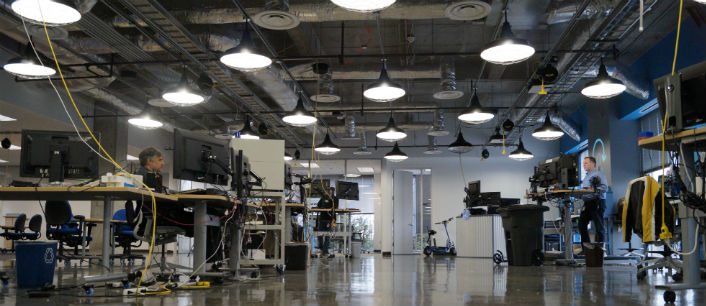
The AT&T IoT Foundry in Plano, Texas, which specializes in “fast-paced” research and development of “Internet of Things” connected devices, relies on 3-D printing to bring concept to reality without typical slowdowns associated with third-party fabrication.
In a recent tour of the facility on the outskirts of Dallas, Foundry Director Craig Lee gave RCR Wireless News an overview of the work being done to enable objects — car doors, trash cans, refrigerators — with smart connectivity.
A big part of the Foundry team’s process involves creating working potential products from scratch. To keep pace with the free flow of ideas, 3-D printing has become essential.
Lee gave an example of how the technology for tracking a person or animal is the same but the physical execution has to be different for the variable use cases
“Internet of Things often requires a unique device,” Lee said. “Even though that solution is similar, the presentation and how you market it and what it’s going to look like is very different.”
Lee showed off a number of custom-made device housings printed in hard resin by a bank of 3-D printers. Similarly, if the Foundry staff needs to modify an existing housing or object, they have a 3-D scanner that can capture the shape, then allow for digital transformation that can then be printed.
“We are often called upon to make a very unique physical implementation,” Lee said. “That’s one of the reasons we have the space.”
For more from the AT&T Foundry, check out the RCR Wireless News YouTube channel.