

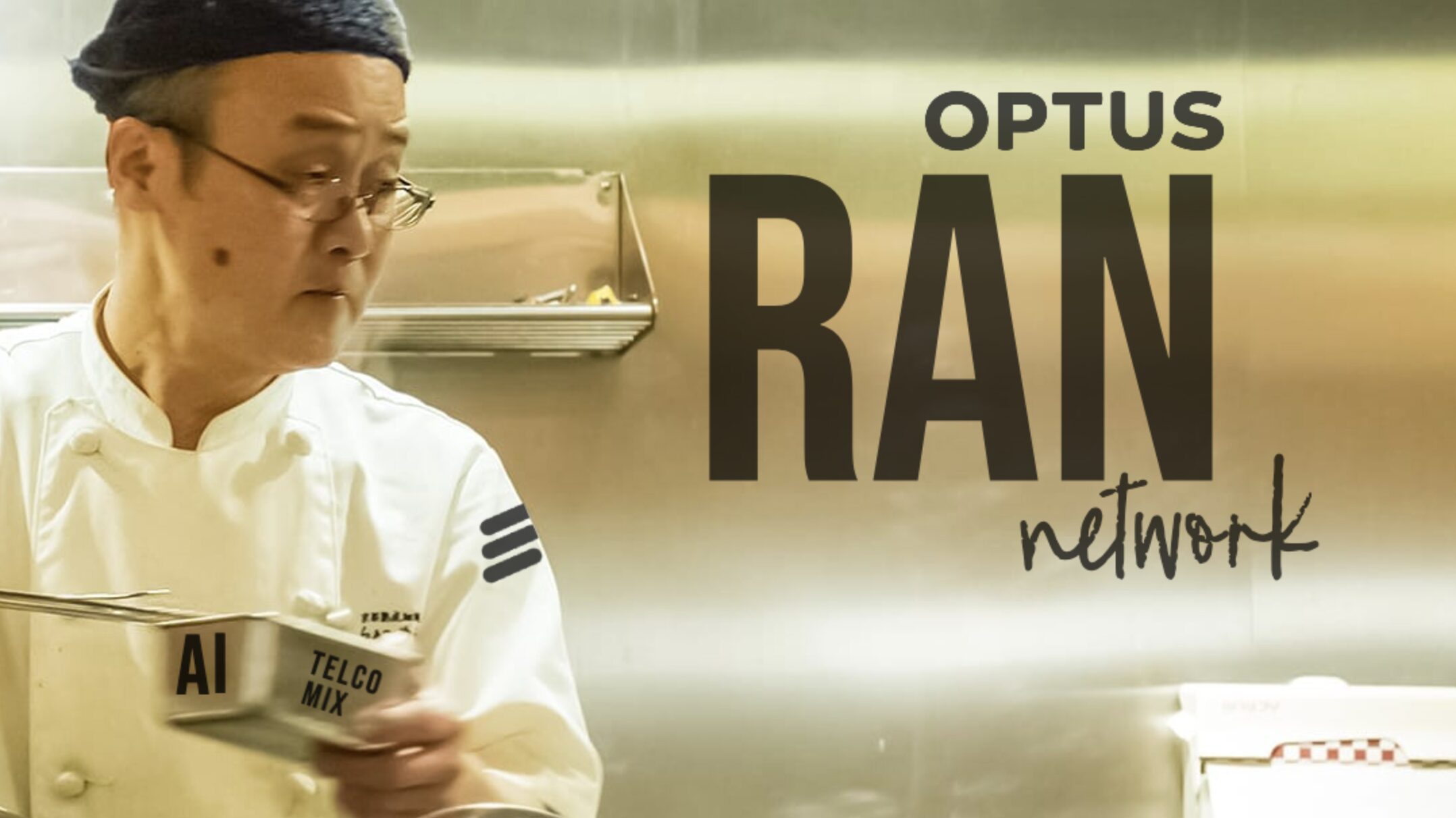
From the newsletter (September 24; sign-up or follow if you want it sooner): Optus, Orange, SK Telecom, plus ZTE and Samsung, are sharpening the AI-RAN debate: near-term gains from AI for the network look tangible, while RAN-for-AI remains immature, speculative and potentially vulnerable to another 5G-era build-first, applications-later cycle.
Just quickly because I’m dead-ed by this late Optus/Ericsson write-up; but there’s something cooking with AI-RAN, kind of obvious, on different fires: AI for networks versus networks for AI, or AI for RAN versus AI on RAN – quite plainly. But the first is looking serious and tangible, suddenly, while the rest is really anyone’s guess – despite a lot of fun guesswork and speculation about the likeliest inward-looking gains from ‘level-five’ AI autonomy and ‘AI-native’ 6G, and the outward-looking ones from the physical and agentic AI that will be stood-up on ‘AI grids’ someday. Anyway, today is not about that; today is about the stuff in the network – and “we are not talking about front-of-house stuff”, says Optus – speaking on Tuesday at Intelligent RAN Forum. Orange said similar on Tuesday, too.
That write-up is also linked below, including references to (up to) 25% spectral gains on the Australian firm’s Ericsson setup. But ZTE and Samsung are having the same debate (separately), it seems. ZTE says the business model for RAN-for-AI remains immature, with demand limited to niche scenarios – and that carriers should put their money where they will make it back, effectively. Samsung is pushing AI-RAN projects with KT and SK Telecom in South Korea, extending the conversation towards physical AI and AI-native networks – all that future stuff, funner to talk about but less immediately meaningful. But SK Telecom also issued a warning on the session with Optus: do not repeat the 5G-era habit of building network capabilities first and looking for applications afterwards. Remember MEC, it says; remember URLLC, it might say. We will write this up properly tomorrow or next week.
But the sensible AI-RAN outlook is to worry less about the AI-native future, and more about the value in today’s network – and then building tomorrow’s.

